For car owners, hailstorm is one of the most terrible fears. The possible damage caused by hailstones can range from small dents to major body damage. Due to this reason, a hail cover for car has become a necessity mode of protection for people living in areas that experience very frequent harsh weathers. There are some myths that surround hail cover, and the best thing is to break them so that car owners know how to protect their cars properly.
Table of Contents:
What is a Hail Cover for Car?
A hail cover is a very strong, weather-resistant cover of material, which may include high-density polyethylene, fabric, or foam that is made to protect the body of a car from damage in a hail storm.
Hail covers are often engineered to absorb shock impacts caused by hail, thus avoiding body and window damage on the vehicle. There are many types of hail covers; some are fitted to specific models of cars while others are designed to fit on most vehicles.
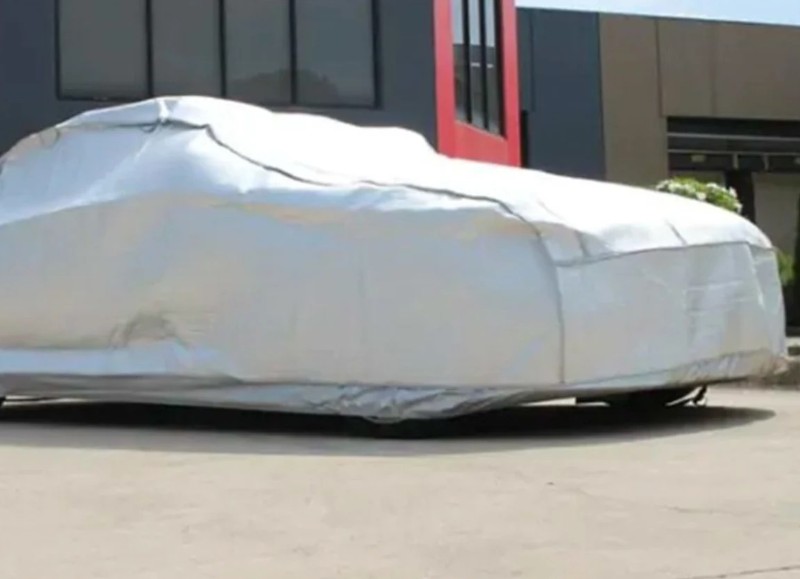
These covers also come on with ease because the majority have straps or fasteners that can tighten them. In advance of a hailstorm, car owners can extend the cover over their vehicle.
Common Myths About Hail Cover for Cars
Despite the apparent advantages, there are still various myths about a hail cover for car. Here are some of the most common myths:
1. Hail Covers Are a Must for the Most Violent Hailstorms
One of the common misconceptions associated with hail covers is that they are used only when there is an exceptionally large or violent hailstorm. Even small hailstones can pose destruction problems for vehicles during longer periods. Using a cover every time even a mere hail storm takes place is always a good decision because hail covers protect against both large and small hail that prevents long-term damage.
2. Any Car Cover Will Do
All car covers are not the same in terms of protection against hail. Most standard car covers are usually made of very thin materials, which hardly do anything to absorb the impact of hailstones. Hail-specific covers are specifically designed with heavier and more resilient materials that protect the car. The wrong kind of cover would leave your car with minimal protection, thus still exposed to the hail.
3. Hail Covers Can Prevent All Damage
Of course, a hail cover for car can offer considerable protection, but one cannot claim a 100 percent guarantee against the hail damage. The strength of the storm and the size and speed of hailstones determine whether the cover really works or not. Hail covers are only made to cause minimum damage; they cannot fully prevent it from happening. In extremely severe storms, hailstones may still cause some damage despite the cover.
4. Hail Covers are Hard to Use
Most car owners believe that hail covers are hard to install and take a lot of time and effort. However, the modern hail cover is mostly easy to use and can be deployed in no time. Most covers come with clear instructions and are designed to be user-friendly, so you can protect your vehicle within minutes in the middle of a storm.

5. Hail Covers Are Too Expensive
Another myth is that hail covers are too pricey and are not worth the investment. However, a hail cover for car is rather cheap compared to the repairing cost of damaged hail. For instance, a good quality hail cover usually costs between $50 and $200 depending on the model and size; hence, it cannot be compared to the nature of such damage.